Webinar - Introducing OnPing Plunger - Powered by Pak AI | Oct 29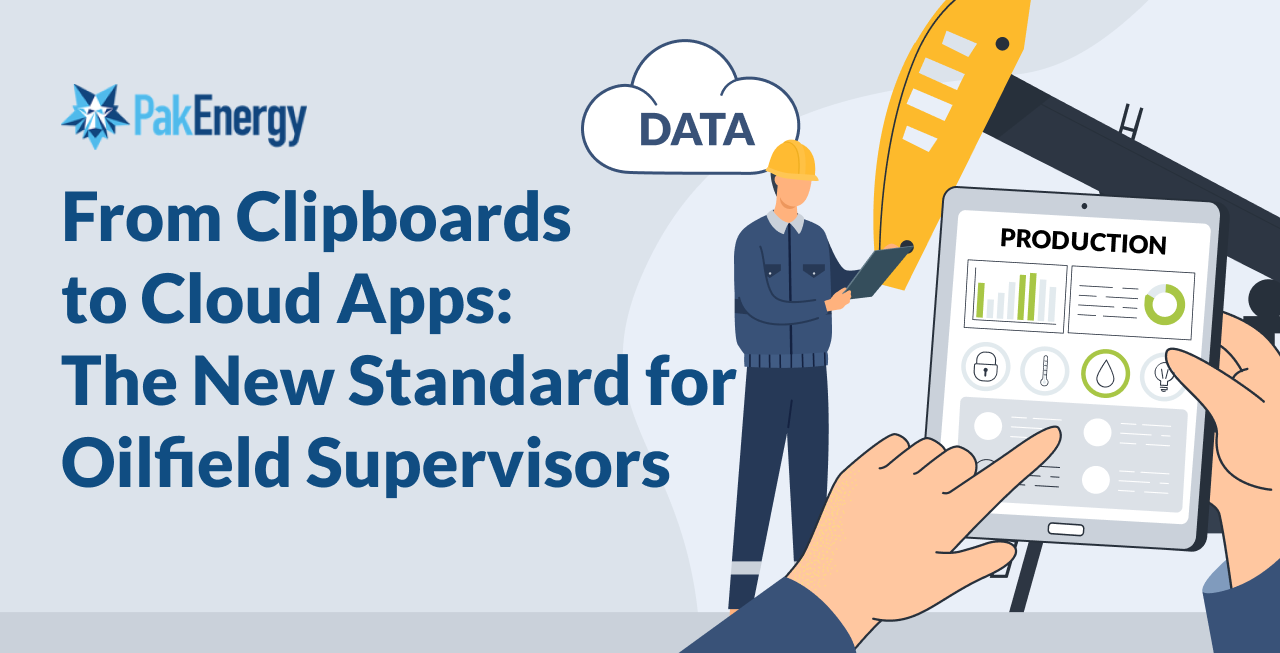
For decades, getting work done in the oilfield meant relying on paper, clipboards, and radio calls. This familiar approach is also inherently flawed. Today's production environment simply cannot be managed by a paper log. Data streams are accelerating, regulations are intensifying, and the required level of accuracy has reached an all-time high.
Today’s best supervisors have left clipboards behind. They’re using cloud-based tools that bring real-time data from the field to the office, giving everyone the same view of what’s happening. It’s not just more efficient; it’s become the new standard for safe, compliant, and profitable operations.
The Problem with Paper
Manual reporting worked when fields were smaller and production data could be logged once a day. But that approach is showing its age. Clipboards and spreadsheets introduce delays, errors, and gaps that slow down decision-making when speed matters most.
- Data delay: Information from the field often takes hours or days to reach supervisors and managers. That lag means problems like pump failures or low production rates might go unnoticed until the next shift. By then, valuable time and barrels are already lost.
- Human error: Handwritten logs can be incomplete or hard to read, and spreadsheet formulas often fail when they’re copied or changed. Even a small transcription mistake can snowball into incorrect volumes, skewed reports, or misallocated revenue.
- Limited communication: Field and office teams rely on calls, texts, or email chains to share updates. Without a centralized system, details get lost, and the same questions surface again and again. This slows every part of the operation, from maintenance to accounting.
- Compliance headaches: Regulators and partners expect accurate, traceable records. When key information lives in notebooks or scattered files, verifying data for audits becomes stressful and time-consuming.
The truth is, manual reporting costs more than most realize. Every delay or error adds up, quietly eating into margins and efficiency.
What Modern Oilfield Supervisors Are Doing Differently
Supervisors across the country are shifting their focus from paperwork to performance. Cloud-based tools have redefined how field data is captured, shared, and used across departments.
Here’s what sets the most forward-thinking supervisors apart:

Using mobile apps for daily reporting - Volumes, downtime, and operational notes are now logged directly onto devices by pumpers and operators before they leave the well site. The resulting data flow is virtually instantaneous, making it immediately available to supervisors and accounting. This critical upgrade wipes out the daily paperwork scramble and secures the accuracy of every recorded measurement. More importantly, it gives supervisors the power to catch trends early, completely bypassing the lag of traditional weekly summaries.
Viewing operations through live dashboards - Supervisors no longer have to call each pumper for updates. Real-time dashboards show production activity across multiple wells at once. If something drops below expected output, the system flags it instantly. These visuals give managers clarity they’ve never had before, helping them respond in minutes instead of hours.
Automating maintenance alerts - Smart sensors and SCADA integrations track well performance continuously, alerting teams when issues arise. When pressure dips or pump time changes unexpectedly, the system notifies the right people automatically. This level of monitoring turns maintenance into a planned process rather than a reaction to problems that already caused downtime.
Connecting the field and back office - Cloud platforms bridge the gap between operations and accounting. Field data feeds directly into financial systems, improving accuracy in revenue reporting and forecasting. That connection means fewer manual reconciliations, fewer phone calls, and far better visibility for leadership.
Improving safety and compliance oversight - Every inspection, incident report, and workover log is stored digitally and tied to specific wells or equipment. When regulators or partners request documentation, supervisors can provide it immediately. This readiness not only reduces audit stress but also builds a stronger culture of accountability across the team.
Digital tools aren't intended to eliminate field experience; they are here to amplify it. These systems give supervisors the vital capacity to manage operations with precision and total confidence, even in the complex scenario of overseeing multiple sites at once.
The Payoff of Going Digital
Supervisors who have already made the move to digital workflows report measurable benefits that ripple through every department.
Faster problem-solving
Real-time reporting allows supervisors to react immediately when something breaks or performance drops. Quicker responses mean less downtime, less wasted production, and better use of every resource on site.
Higher data accuracy
Automated validation is key to reducing errors that might otherwise cause production discrepancies or require financial corrections down the line. When data is clean, it naturally establishes trust across the entire organization—between field personnel, accounting, and management—guaranteeing that every department is operating from the same single source of truth.
Simplified reporting
Daily production summaries, downtime logs, and necessary compliance reports are now generated automatically. This critical change means supervisors no longer have to spend their evenings manually keying numbers into spreadsheets. Instead, those recovered hours are now available for leading their teams and focusing on future planning.
Increased collaboration
Everyone from pumpers to CFOs can access the same dashboard view. That alignment keeps communication tight and decisions faster. When everyone sees the same data, conversations shift from fixing mistakes to improving results.
The difference between manual and digital reporting is more than convenience. It’s a shift in how supervisors lead, plan, and protect profitability.
Overcoming the Hesitation to Modernize
New systems inevitably face resistance when introduced. It is common for supervisors to worry that these digital platforms could be complex, costly, or overly disruptive to daily operations. However, the reality is that the best cloud-based tools are engineered with a specific goal: to seamlessly integrate with the work processes oilfield teams are already using.
Start with small wins
Most companies begin by digitizing one field or one process, like production tracking. Once the results show faster reporting and fewer errors, expansion happens naturally.
Keep the tools simple
The most effective systems feel familiar. They’re designed for people who know the field, not for software engineers. The easier the tools are to use, the faster the team adopts them.
Show the time saved
When crews see that digital reports cut paperwork in half and help them get home earlier, buy-in follows fast. Supervisors can demonstrate that these changes aren’t about replacing people but about making everyone’s job a little easier.
The transition isn’t about technology for its own sake. It’s about giving experienced field professionals the visibility and control they’ve always needed.
How PakEnergy Supports Field Teams
PakEnergy’s production and field data tools were built specifically for oil and gas operations by people who understand them. They help supervisors modernize workflows without losing the practical habits that keep the field running smoothly.
- Mobile data entry that fits the workday - Field staff can log volumes, downtime, and inspection notes directly from their phones. The data updates instantly, creating accurate, timestamped records without added steps.
- Dashboards designed for real decision-making - Supervisors see production trends, downtime patterns, and alerts in one place. With this visibility, they can anticipate issues instead of reacting to them.
- Instant communication between field and office - Updates flow automatically to accounting, maintenance, and management, eliminating the lag that once slowed every conversation. Everyone works from the same information in real time.
PakEnergy Production brings structure to the field without slowing it down. It’s technology that respects the work and helps teams do it better.
The Future of Field Supervision
The role of the oilfield supervisor is evolving. The new generation of leaders will spend less time chasing data and more time interpreting it. Those who adapt early are setting the standard for efficiency, compliance, and operational excellence.
Modern supervision isn’t about walking away from experience or instinct. It’s about adding tools that make both more effective. The future belongs to supervisors who can see the whole field at once and act on information the moment it appears.
The Bottom Line
The clipboards served their purpose, but they belong to another era. Cloud-based reporting is now the expectation, not the exception.
Supervisors who modernize gain more control, better visibility, and stronger results. Those who wait risk getting left behind as the rest of the industry moves forward.
The field has changed. The way we manage it should too.
See how PakEnergy helps supervisors bring their operations into the cloud era. Book a demo today. Or, explore our eBooks and webinars to learn how oilfield leaders are using technology to stay ahead.
FAQs
Q: Why should I use oilfield production reporting software instead of spreadsheets?
A: Relying on clipboards and spreadsheets often leads to data lags, transcription errors, and compliance risks. Cloud-based software solves these issues by providing real-time visibility, automated accuracy checks, and instant data sharing between the field and the office.
Q: How does digital field data capture improve safety?
A: Digital tools allow for the immediate logging of inspection and incident reports directly from the site. This creates an automatic, timestamped audit trail, ensuring easier regulatory compliance and better safety oversight compared to paper logs that can be lost or illegible.
Q: Can field data apps work for maintenance alerts?
A: Yes. Modern cloud apps can integrate with SCADA and smart sensors to automate maintenance alerts. If pressure dips or equipment fails, the system notifies the right supervisors instantly, preventing prolonged downtime and expensive repairs.