Webinar - Introducing OnPing Plunger - Powered by Pak AI | Oct 29
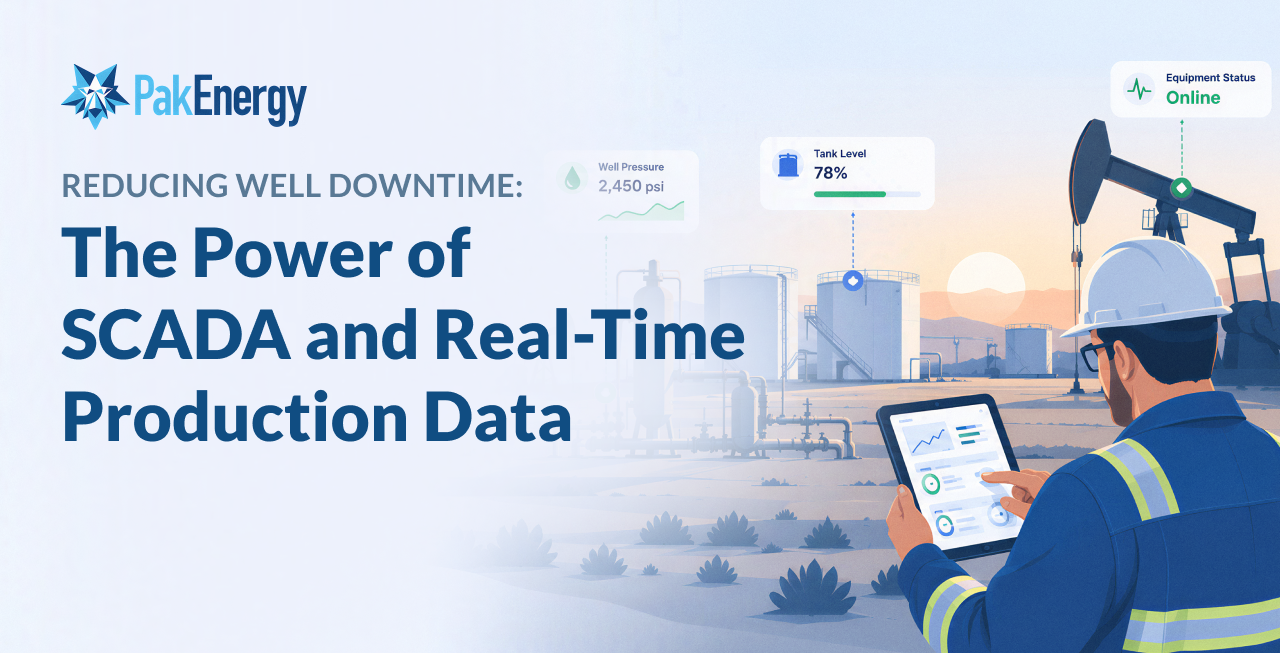
Every hour a well remains offline translates into lost revenue for oil and gas operators. But well downtime doesn’t always start with a visible problem. Often, the indicators are less obvious, like a slowly declining pressure reading or unusual tank level.
By the time field personnel discover and diagnose the issue during a regularly scheduled visit, production levels may already have decreased. Teams can connect field data capture to back-office systems using modern production management software, while SCADA oil and gas monitoring tools track production in real time, making operators more agile and proactive.
How does production management software significantly reduce well downtime?
 According to the U.S. Energy Information Administration (EIA), crude oil production in the U.S. reached 13.6 million barrels per day in 2025, a new record. Given the size and complexity of modern portfolios, operators need the best software solutions to stay on top of production trends.
Rather than relying on in-person field visits to identify production issues, oil and gas operators can leverage live data to prioritize necessary maintenance and keep wells pumping. In this industry, production efficiency can mean the difference between profits and losses, and any tool that tips those scales in your favor is a must-have.
Traditional field data capture methods create a lag between what’s happening at the well and when the office knows about it. Legacy production analysis relied on field visits, manual updates, and paper tickets before teams had the information they needed to act. Today, there’s a much better option.
Why is manual field data capture costing you profit?
If a well develops a problem between scheduled visits, it might take until the following data collection cycle for the office to learn about the issue. Manual data capture processes also cost oil and gas operators valuable field time, burning through dozens of man-hours per week. For companies with SCADA integration, the time your skilled employees spend on tracking data could instead be spent adding value to your operations.
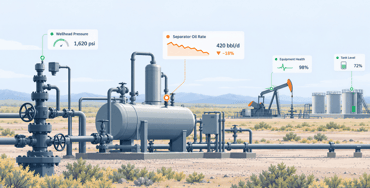
When a well experiences declining production due to an equipment issue, the tank monitoring features of SCADA systems detect the reduction in near-real-time. Additionally, oil and gas operators can set up automated alerts so the system automatically notifies the right people when it spots abnormalities.
Even when there aren’t problems in the field, manual field data capture can hamstring an operator’s profit margins. Production software solutions have mobile apps that allow field staff to record production data from far-flung remote wellsites and automatically upload it to the cloud when they restore their connectivity. With manual methods, there can be a gap of hours or even days before that data enters the company’s ecosystem.
What are the advantages of real-time SCADA integration?
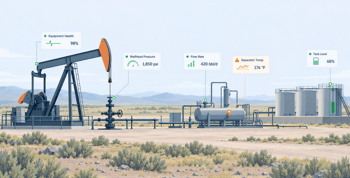 SCADA integration streamlines the connection between field equipment and back-office staff. When integrated with production management software, SCADA oil and gas systems collect data from well sensors, store it in a cloud-based database, and analyze it against historical trends and production goals. This enables teams to connect current production performance with expected conditions.
PakEnergy’s integrated SCADA platform, OnPing, offers real-time sensor data with customizable dashboards and reporting tools. With OnPing integration, field teams can minimize unnecessary site visits and shorten response times when conditions fluctuate. Today’s complex oil and gas portfolios often spread across multiple geographic regions, so the ability to remotely determine which wells require in-person attention can translate to significant well downtime reduction.
Can production surveillance predict equipment failure?
High-quality well surveillance has a ripple effect throughout an oil and gas company’s entire operations. Production surveillance tools make forecasts more accurate, and help operators become more proactive and less reactive when conditions change. As a result, teams can spot equipment abnormalities as they happen and plan timely maintenance before the situation escalates.
A well surveillance platform combines equipment and production data in a single ecosystem, bringing preventive maintenance schedules and live conditions together. Tank monitoring tools add another layer, combining real-time pumping data with historical volumes and manual field notes to give operational teams access to the full picture of production.
How does mobile field data entry improve office visibility?
The best real-time monitoring tools in the world can never eliminate the need for boots on the ground. Skilled professionals will always be a necessity in the field, but a modern mobile field data entry system can streamline and simplify their work.
Instead of visiting every wellsite in person, staff can access live readings from their smartphones and tablets, and data validation tools prevent entry errors before they ever get to the office. Meanwhile, teams back in the office don’t have to wait for manual reports; instead, they see current data flowing through configurable dashboards.
This live visibility helps teams proactively detect production variances and investigate the reasons for downtime before they escalate. Eliminating information gaps and reducing the need for reconciling disconnected data helps the entire company become more productive and efficient.
What are the key traits of a modern SCADA platform?
Not all SCADA platforms are created equal. For oil and gas operators, a modern SCADA system should offer several clear benefits.
Live Monitoring
Real-time data enables teams to identify fluctuating conditions before they turn into expensive problems.
Configurable Alerts
Operators can establish custom thresholds and notification frameworks so the right people know when conditions require action.
Remote Asset Control
A centralized, connected data interface reduces unnecessary trips to remote wellsites and provides operators with a complete view of current field conditions.
Advanced Automated Reports
Customizable, scheduled reports provide the full picture, while spot reporting tools offer quick snapshots of the production environment.
Mobile Access
Field and office personnel alike should have shared access to relevant data, no matter where they’re working.
With PakEnergy Production, your team has access to all of these features and more, providing operators with a complete, current view of their assets. Especially given the complex nature of many modern oil and gas portfolios, the shift from reactive to proactive maintenance is a game changer for reducing well downtime.
PakEnergy’s integrated platform combines SCADA functionality and other production tools with everything from land management to accounting. When every department shares live access to the same verified database, it’s much easier for oil and gas producers to manage large, complicated portfolios.
Want to learn more about how PakEnergy’s OnPing SCADA tools can help you reduce well downtime across your portfolio? Connect with a PakEnergy representative today to get a free demo.
FAQs
Can OnPing monitor equipment from any brand?
OnPing is an equipment-agnostic SCADA solution, meaning operators can combine data from different equipment manufacturers instead of committing to a single brand. It also offers support for custom device drivers and communications methods, further streamlining data collection and analysis.
How do field tickets sync with the back office?
With fully integrated digital field data capture, field personnel can enter data electronically instead of relying on paper tickets. These tools connect field data with back-office processes, helping eliminate issues like duplicated entries, invalidated data, inconsistent naming conventions, and more.
Is real-time monitoring secure against cyber threats?
The American Petroleum Institute (API) says cybersecurity is “an increasingly important consideration” in the modern oil and gas industry. Security must be central to any modern SCADA platform, with access controls, network protections, and live cybersecurity monitoring. No cloud-based system can ever be immune to cyber threats, but PakEnergy is committed to providing a secure end-to-end environment for our clients.