Webinar - Introducing OnPing Plunger - Powered by Pak AI | Oct 29
In the energy sector, the profitability of a well site is inextricably tied to miles traveled. Many oil and gas assets are located in far-flung remote areas that require complex logistics and clever routing to maintain profit margins.
Field teams need reliable delivery schedules, but logistical decisions are too often made with limited visibility into real-time fleetwide conditions. With a modern transportation management system (TMS), logistics teams can strengthen field operations and reduce downtime, thanks to a reliable foundation of verified, live data.
The Operational Advantage of Dependable Logistics Data
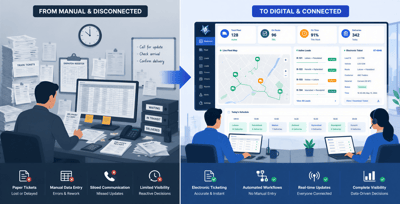 Every load hauled to or from a well site generates a trail of valuable data for those with the tools to capture and analyze it. Especially for complex, multi-stop routes carrying time-sensitive materials, optimizing every possible aspect of a load is vital.
Transportation software provides a new system that goes beyond the paper tickets and siloed spreadsheets of the past. Managers and supervisors have a consistent view of fleetwide asset performance, so they know when trucks are backing up or a site is running out of storage capacity. This visibility empowers teams to adjust operations early, preventing these potential issues from ever becoming problems.
The Links Between Transportation and Production
Transportation and production are deeply connected in the energy sector. For instance, a hauling bottleneck can slow pumping operations due to storage issues. Modern transportation management software integrates dispatching and ticketing into the same platform as analytics and compliance, making it easier to align hauling schedules with well activity and maintenance plans.
For companies hauling large volumes of coal and coke, bulk commodity transportation software helps coordinate high-frequency routes across multiple locations while tracking weight, timing, asset utilization rates, and more. This fleetwide coordination gives production personnel a clear picture of transportation availability and capacity at any given time, allowing them to adjust operations as needed.
From Data Collection to Actionable Insights in One System
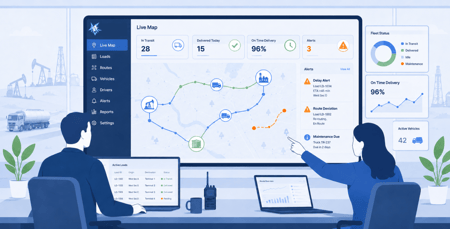 Collecting transportation data is only the first step, but it’s crucial to get it right. A live flow of accurate logistics data gives teams an advantage when coordinating assets in real time. But the real impact comes from using this data to drive smarter decisions across the organization.
Transportation management solutions allow operators to identify recurring delays at specific facilities, reduce empty miles through smarter dispatching, and forecast future hauling needs based on current production levels and future plans.
These insights support fleet optimization measures, as dispatchers can balance workloads, maintenance teams can book proactive service, and field managers can sequence work to avoid congestion. Over time, these seemingly small improvements translate into lower operating costs and more predictable field operations.
How Transportation Data Supports Compliance and ESG Goals
Oil and gas operators are always under pressure from regulatory agencies to provide accurate, timely reports. The best TMS solution can simplify compliance activities by automatically capturing GPS data, timestamps, volumes, and more.
Centralized fleet management solutions with integrated ticketing workflows reduce the need for manual data entry and create a reliable digital audit trail, should anyone need to look at your books. This record-keeping also helps companies track fuel use and routing efficiency, which are always important metrics for ESG initiatives.
PakEnergy: Centralized Data for a Competitive Advantage
Transportation data informs more than just hauling operations. For oil and gas operators, the best TMS for energy is one that shapes how they plan and execute field work. Book a free demo today and find out how PakEnergy’s purpose-built transportation management solutions can help make your field operations more efficient and profitable.