Webinar - Introducing OnPing Plunger - Powered by Pak AI | Oct 29
For oil and gas producers, unclaimed property filings can create complications that reverberate throughout the company. When clients and vendors leave checks uncashed, or your accounting department fails to appropriately track and report inactive assets, the government can take custody of the unclaimed property through escheatment.
The escheatment process varies from state to state, with different deadlines, dormancy periods, and filing procedures, making unclaimed property tracking difficult for teams still relying on legacy accounting methods.
Why is oil and gas accounting software critical for unclaimed property filings?
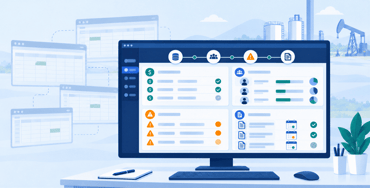 To streamline unclaimed property compliance, oil and gas accounting software helps finance teams connect payment data and ownership records in a centralized system. This helps oil and gas operators avoid losing custody of assets through escheatment, along with situations where they may need to submit new reports and possibly pay penalties for the omissions.
Automating the unclaimed property process helps companies prevent any deadlines and filings from slipping through the cracks, making compliance easier and operations more efficient. With the right oil and gas accounting software tools, your accounting team can focus on their core responsibilities instead of burning time sifting through property filings for compliance purposes.
What is the risk of manual escheatment tracking?
Some energy companies still track their operations within siloed spreadsheets and disconnected databases, which makes tracking O&G escheatment difficult. This is especially true for companies with broad asset portfolios stretching across multiple regulatory jurisdictions: The more properties and owners you track, the harder it gets to stay on top of unclaimed property filings.
Tracking these relationships manually creates openings for missed deadlines and inaccurate reports. O&G producers should do their best to contact property rights owners proactively to avoid escheatment issues, and this due diligence can be time-consuming and error-prone.
A fully integrated oil and gas accounting software solution can connect revenue data with billing records, making escheatment tracking part of the standard accounting workflow. Instead of a manual annual review, automated escheatment tracking can help you stay informed on looming unclaimed property issues before they impact your operations.
How do automated workflows ensure SOX compliance?
The Sarbanes-Oxley Act of 2002 (SOX) requires oil and gas producers to follow strict recordkeeping and reporting procedures, which can be a major compliance headache for teams with too many manual processes. O&G companies with disconnected data place an unnecessary burden on their accounting teams to prepare for regulatory reports.
When teams incorporate automated unclaimed property functionality into their workflows, they can gain several important advantages.
- Establish reliable, repeatable processes. Integrated, energy-specific accounting software has automated workflows to help teams establish consistent, step-by-step processes for identifying unclaimed assets and communicating with the relevant owners.
- Streamline collaboration. Gone are the days when everyone had to rely on one person’s spreadsheets or manual files to review records and prepare filings. Smart workflows within an integrated O&G ERP software platform make it easier for teams to coordinate SOX compliance efforts without having to navigate lengthy email chains or reconcile disparate databases.
- Focus on high-value tasks. Companies that automate unclaimed property compliance free up accounting teams to work on adding real value rather than focusing on the finer details of O&G escheatment and SOX compliance.
Would you rather your accounting team approach regulators with confidence or chaos? With the large, complex portfolios that are so common in modern energy production, oil and gas accounting software creates more traceable, auditable processes for SOX compliance. These processes will always require a careful human review, but the right technology can grease the wheels and provide a repeatable, manageable compliance framework.
Can ERP integration simplify revenue distribution?
Oil and gas revenue depends on detailed ownership and payment records. If an owner fails to cash a check or funds are suspended, you need accurate info about the original transaction to fall back on. Revenue data and unclaimed property tracking should live in the same digital ecosystem, simplifying the revenue distribution process and reducing the need for manual reconciliation and verification across systems.
Integrated systems also help with unclaimed property research. Automated, industry-specific platforms like PakEnergy allow accounting teams to generate and sort reports, which they can use to easily track down unclaimed money and assets. Revenue distribution software as part of a broader companywide solution connects compliance and revenue data; everyone has access to the full picture, and no one has to do unnecessary manual work to get the info they need.
What should O&G teams look for in an audit-ready platform?
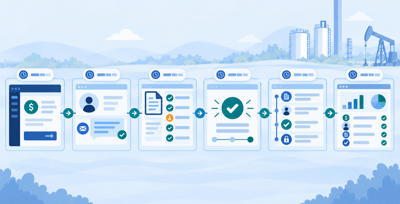 Oil and gas software needs state-specific filing tools for companies operating across state lines. O&G software solutions should have frameworks for various jurisdictions and filing requirements, allowing teams to handle their own compliance requirements without seeking external assistance or doing much research.
In addition, unclaimed property records should live in the same data ecosystem as revenue information and due diligence support. Connecting these elements makes the entire audit preparation process simpler and more repeatable, as both internal teams and external auditors can easily trace payment records to their original transactions. Nobody has to play phone tag or backtrack through dense email threads to verify information across departments.
1099 processing tools are also vital, as tax reporting and unclaimed property processes often intersect. Even for procedures that have differing compliance guidelines and regulatory requirements, keeping everything accessible in the same audit-ready platform streamlines the entire O&G accounting process.
How does PakEnergy automate the 1099 process?
Unclaimed property reconciliation isn’t the only potential year-end headache for oil and gas accounting teams. After all, 1099 processing can be a major hassle for finance professionals who rely on disconnected systems and manually compiled records. Owner and payment info are core elements of O&G revenue distribution, and keeping that data in a centralized system dramatically simplifies tax season for your accounting team.
PakEnergy’s fully integrated accounting software pairs unclaimed property capabilities with 1099 functionality, along with convenient owner reporting tools that make reporting and reconciliation a breeze. Connecting this data makes tax reporting more reliable and efficient, thanks to the accurate and timely nature of the underlying ownership and revenue records.
Accountants who have confidence in the data they rely on can significantly cut down on the time they spend manually reconciling various spreadsheets and data silos. PakEnergy’s system supports finance teams with jurisdiction-specific filing frameworks and escheatment workflows, providing instant access to a vast network of vital data. Combining these features with automating repetitive tasks like 1099 processing creates a connected accounting environment where revenue, payments, reporting, and compliance all operate in harmony.
Other Helpful Tools for O&G Accounting Professionals
Organizations like the National Association of Unclaimed Property Administrators (NAUPA) offer helpful compliance tools for unclaimed property with various government guidelines. If you have questions about the escheatment process in any state, NAUPA can help. Additionally, the Council of Petroleum Accountants Societies (COPAS) provides networking and other resources for O&G accounting, allowing industry finance professionals to share ideas and process improvements.
These organizations provide many resources to help accountants in the energy industry excel in their roles. They provide a great complement to O&G software solutions, allowing finance teams to access valuable information from various angles and learn the finer nuances of the industry.
FAQs
What is “escheatment” in the oil and gas industry?
O&G escheatment is the procedure in which the state takes control of unclaimed property and/or funds after the allowable dormancy period, which varies by state and asset type (typically 3-5 years for most states and assets). For oil and gas companies, this can take the form of unclaimed lease bonuses, royalty payments, and production payments, along with unclaimed wages, unreimbursed expenses, and more. Make sure to closely review the state laws for each jurisdiction in which you operate so you know what’s expected.
How often should I audit my unclaimed property records?
The typical recommendation is to perform an annual audit of unclaimed property records. That said, with the right oil and gas accounting software, companies can continuously monitor unclaimed property all year instead of waiting to do one big review before a major filing deadline. Periodic reviews can identify upcoming obligations and help with due diligence on property records before you need to report them.
Exactly how often an O&G company should review its records varies based on the size of its portfolio and its annual transaction volume. In addition, companies with assets in several different jurisdictions across the country may want to perform more frequent reviews in order to stay on top of a wide variety of state compliance requirements and filing deadlines, which can change from year to year.
Does PakEnergy support multiple state filings?
PakEnergy’s energy-industry-specific unclaimed property management solution supports filings for all 50 U.S. states. Instead of scrambling to learn the intricacies of unclaimed property compliance yourself for every jurisdiction where you operate, you can let PakEnergy Accounting track and distribute unclaimed property across the country and throughout your portfolio.
Sources & Additional Information
- Sarbanes-Oxley Act of 2002 (SOX) - https://www.congress.gov/bill/107th-congress/house-bill/3763
- National Association of Unclaimed Property Administrators (NAUPA) - https://unclaimed.org/
- Council of Petroleum Accountants Societies (COPAS) - https://copas.org/