Webinar - Introducing OnPing Plunger - Powered by Pak AI | Oct 29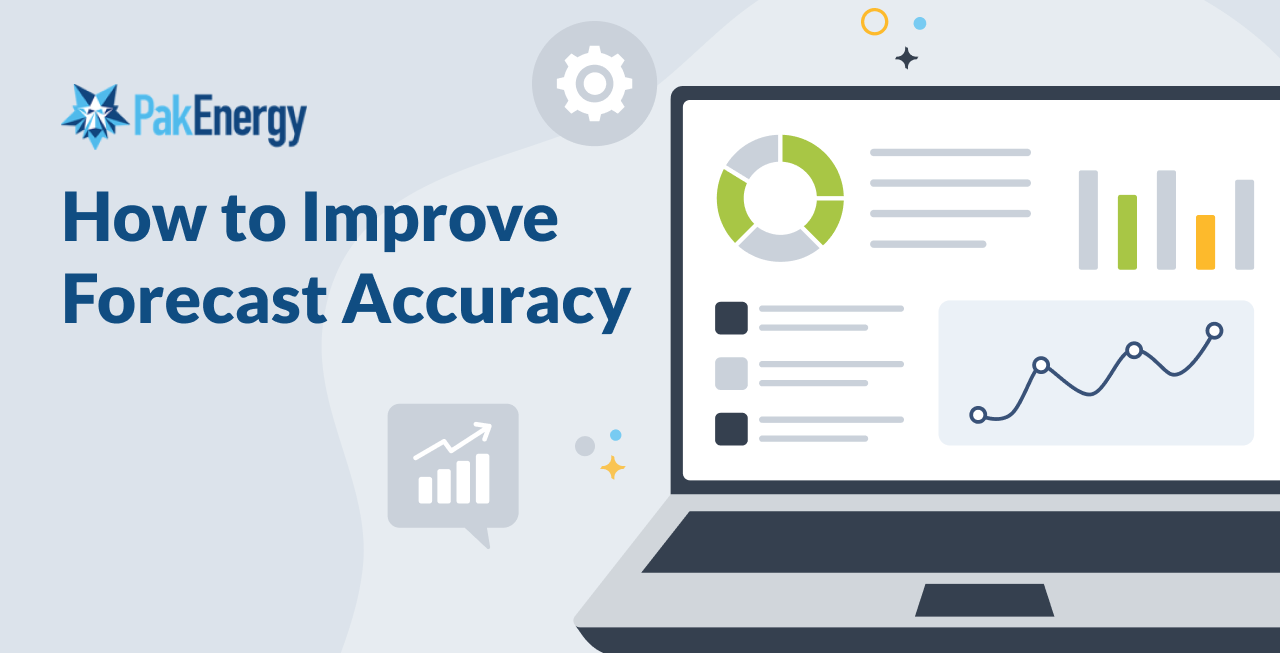
Accurate forecasting is a competitive advantage in the modern energy market. For oil and gas operators, even the smallest deviations between expected and actual output can disrupt planning and reduce profitability.
With modern oil and gas production software, teams can generate more precise forecasts through automation and analytics. Leading operators are leveraging the best oil & gas production software to improve forecast accuracy and streamline operations, resulting in more agile and flexible companies.
Here are five things operators can do today to improve their forecasting abilities and boost their bottom lines.

- Centralize and Clean Up Your Data
Accurate forecasting begins with data governance. When various teams operate in siloed systems, it’s difficult to produce reliable projections. Using field operations software for oil and gas, operators can centralize their production data from hundreds or even thousands of assets in one convenient location.
Clean, connected, live data allows teams to build production forecasts on reliable and consistent information. Automated data validation tools can detect inconsistencies and flag duplicated entries before they result in bad information. This saves time and effort for planners and engineers, who can instead spend their valuable time adding strategic value rather than validating data.
- Leverage Predictive Analytics
Advanced oil and gas production optimization software integrates machine learning and predictive analytics to analyze years’ worth of production data. This provides operators with the info they need to anticipate performance trends with greater accuracy.
For instance, if a well tends to decrease in output under specific conditions, oil and gas production reporting software can automatically factor that into future forecasts. By integrating this type of proactive insight, production staff can adjust operations and align expectations with real-time conditions.
- Integrate Real-Time Insights
Even the most complete and consistent historical models can’t factor in real-time operational changes. That’s why leading operators integrate live SCADA data streams directly into their forecasting models.
By feeding real-time readings into their production systems, operators have a clear and consistent overview of field operations. Automated updates allow companies to adjust forecasts dynamically, based on current well performance, downtime events, maintenance schedules, and more. This results in a more responsive and data-driven forecasting process based on current realities.
- Automate Production Reporting
Much like manual data entry, manual reporting also introduces many opportunities for human error. Oil and gas software can automate the collection and validation of important production data, as well as provide valuable insights based on this data.
Automated workflows integrate live field readings straight from the source, so forecasting is always performed using updated numbers. Integrating reporting and forecasting tools within the same platform gives everyone live visibility to reliable data, helping everyone from field staff to finance teams operate at peak performance.
- Foster Cross-Functional Collaboration
Forecasting affects much more than just production staff. Using fully integrated and cross-functional oil and gas software provides every stakeholder with access to the same real-time data, closing communication gaps between teams.
This encourages a collaborative approach where teams work together to make faster, more informed decisions.
PakEnergy Production: Reducing Variance and Increasing Value
Even the most accurate forecasts require ongoing refinement to retain alignment with evolving field conditions and market dynamics. PakEnergy’s complete oil and gas software solutions help operators forecast production with precision, creating a strategic advantage over competitors who still rely on outdated manual methods.
Book a free demo today with a PakEnergy expert today and find out how reliable automated forecasts can improve your operations.