Webinar - Introducing OnPing Plunger - Powered by Pak AI | Oct 29

For land teams, there’s no shortage of details to manage, from leases and obligations to royalty clauses, renewals, payments, and owner communications. And while many still rely on spreadsheets, shared drives, or paper files, that old way of working is becoming a financial liability.
One missed lease deadline doesn’t just mean a late renewal. It can trigger penalties, legal exposure, and even the loss of valuable acreage. In an industry where timing defines opportunity, manual tracking is simply too risky.
The True Cost of Missed Lease Obligation Management
When a lease expires unnoticed, the damage ripples fast:
Acreage loss: When a renewal isn’t filed on time, the lease can lapse, leaving it open for competitors to claim. The impact is significant—it doesn’t just erase one asset but can wipe out years of investment in exploration, permitting, and partnerships. Federal regulations confirm that oil and gas leases automatically expire at the end of their primary term unless maintained or extended through production or other actions.
Penalties: Late payments or delayed filings can trigger contractual penalties or interest depending on the lease terms. For companies managing dozens or hundreds of active leases, even small fines can add up quickly.
Legal exposure: Missed drilling obligations or shut-in payments can result in litigation or default. Legal analyses show that disputes over shut-in royalty provisions are a common cause of costly lawsuits in oil and gas.
Owner frustration: Mineral owners expect transparency. Missed payments or unfulfilled terms damage trust and reputation, and once an owner loses confidence in an operator’s reliability, that relationship becomes difficult—sometimes impossible—to rebuild.
A single oversight can undo months of negotiation, and in many cases, it’s not because teams don’t care. It’s because they’re managing hundreds of leases with tools that weren’t built for the complexity of today’s operations.
Why Manual Tracking Fails
Most land departments start small with just a handful of leases. Spreadsheets make sense at that stage. But as portfolios expand, the cracks appear:
- Tabs multiply and formulas break. Simple edits can disrupt entire sheets, leaving teams scrambling to rebuild datasets.
- Key dates get buried in email threads. Without a centralized system, important reminders live in inboxes that disappear when someone leaves or takes time off.
- Lease amendments are saved under similar filenames. Finding the right version becomes a guessing game, slowing renewals and increasing risk.
- Renewals slip through because a reminder never fired. When deadlines depend on memory or calendar invites, something important always falls through the cracks.
Even the best landmen can’t stay ahead when their system depends on remembering every date. Manual tracking is prone to human error, and in the oil and gas industry, even a single mistake can result in millions of dollars in losses.
Putting the Risk in Dollar Terms
The financial exposure tied to missed lease obligations varies widely by region, production potential, and contract structure. However, industry research and case law show that a single missed renewal can lead to the loss of producing acreage or trigger complex legal disputes. Courts have consistently held that leases expire automatically when obligations aren’t met, which can mean forfeiting valuable reserves.
Beyond legal costs, land professionals spend a significant amount of time correcting preventable issues—hours that could have gone toward securing new acreage or strengthening owner relationships. When leadership sees the real cost of these inefficiencies, manual tracking quickly ceases to look like the cheaper option.
Why Lease Tracking Software Is the Safer Choice
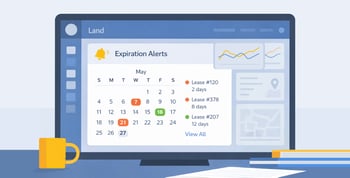
Modern land management software replaces chaos with clarity. Every lease, clause, and obligation ties to automated alerts and visual dashboards that track activity across the organization.
Here’s what the most innovative land teams are doing:
Automating reminders for rentals, obligations, and renewals. Notifications arrive early, giving teams time to prepare instead of react. Automated alerts drastically reduce the chance of missed payments or expired terms.
Centralizing records in a searchable, cloud-based database. Everyone—from field reps to executives—works from the same source of truth, cutting down on version errors and duplicate files.
Using GIS mapping to visualize acreage, ownership, and expiring zones. Seeing data spatially helps identify overlapping leases and potential compliance issues before they escalate.
Tracking compliance automatically. Payments, obligations, and key provisions are all monitored in real time, and missing documents are flagged instantly. This reduces audit stress and ensures every lease remains current.
Enabling collaboration between land, accounting, and legal teams. Each department sees updates immediately, eliminating back-and-forth emails and improving accountability across the organization.
Instead of chasing paperwork, landmen can focus on negotiation, expansion, and field relationships while the technology handles the repetitive work.
Compliance Without Chaos
PakEnergy’s land management system was developed by oil and gas professionals who understand compliance pressure. The platform automatically tracks lease expirations, rentals, obligations, and renewals all in one place.
- Visual dashboards highlight upcoming expirations. Managers can filter by region, owner, or date to prioritize renewals before they become urgent.
- Alerts flag critical dates weeks in advance. Teams can act early to prepare paperwork, route approvals, and coordinate payments before deadlines hit.
- Every lease, addendum, and payment record stays audit-ready. When regulators or partners ask for documentation, it’s accessible instantly and organized logically.
No more guessing which contracts are due, no more lost files, and no more sleepless nights before renewal season.
How Early Adopters Are Winning
Teams that digitize lease tracking report fewer missed obligations and faster renewal cycles since alerts and workflows keep everyone aligned. Operators using automated systems also report fewer disputes and smoother owner communications thanks to centralized, time-stamped records.
As one land manager described in an industry case study, once their leases were digitized, renewal cycles became proactive rather than reactive, turning stress into strategy.
It’s Not About Replacing People, It’s About Empowering Them
Technology doesn’t replace the landman’s expertise; it amplifies it. The best teams blend field knowledge with digital precision to keep leases secure, compliant, and profitable.
Land professionals still negotiate, interpret, and make difficult decisions. The software just ensures they never miss the details that matter most.
The Bottom Line
Manual tracking may feel familiar, but it’s no longer safe. Every spreadsheet, every post-it, every forgotten reminder adds up to financial, operational, and reputational risk.
Land departments that invest in automation aren’t just saving time. They’re protecting assets, strengthening compliance, and giving their companies a competitive edge.
Ready to learn more? Discover how PakEnergy helps land teams eliminate risk and stay ahead of every obligation. Book a demo today.
FAQs
Q: What are the financial risks of missed lease deadlines?
A: Missed deadlines can lead to the permanent loss of valuable acreage, contractual penalties, interest on late payments, and costly litigation over shut-in royalties or drilling obligations.
Q: How does land management software prevent lease expiration?
A: Modern software replaces manual spreadsheets with automated workflows. It sends proactive alerts for renewals and obligations, ensuring teams have enough time to prepare paperwork and payments before a deadline hits.
Q: Why is manual lease tracking considered risky?
A: Manual tracking relies on spreadsheets and human memory, which are prone to broken formulas, version control errors, and oversight. As portfolios grow, the likelihood of a critical date falling through the cracks increases significantly.